
Cultural Etiquette
This Cultural Understanding resource page supports BRIDGE participants in their cross-cultural business interactions and ways in which they learn from one another. Through interregional activities, trainees develop cultural awareness and multinational interactions, which prepare them for the world of work in the Western Balkans and the EU by training in effective global communication, teamwork and digital skills. One of the primary objectives of BRIDGE Practice Enterprise activities is to familiarize trainees with the cultural, legal, and economic environments they may encounter when dealing with partners from the EU. Understanding the customs and etiquette of the community trainees are joining is essential while assimilating into a new culture. Not only does adjusting to these new social conventions help to avoid cultural faux pas, but it also enables to create lasting relationships and promote a feeling of community.

Understanding interregional business culture is especially important in BRIDGE Practice Enterprise activities. Interregional business culture refers to the cultural norms, values, and practices that influence the way business is conducted in the Western Balkans and the EU. Understanding and respecting these cultural nuances is crucial for success in interregional business.
Steps to remember when doing business with EU PEs:
- Research the cultural context of the PE
- Identify and explore the communication style
- Undertake cultural sensitivity training in your PE

As the world becomes increasingly globalized, Practice Enterprises must navigate communication in a diverse and global landscape. Transnational communication involves the exchange of information, ideas, and messages across borders. It helps PEs overcome cultural barriers, promote cultural understanding and build meaningful connections.
Steps to remember when communicating with international PEs:
- Embracing cultural diversity
- Implementing successful communication strategies within the global PE community
- Using a collaborative approach to foster creativity and innovation
DOs and DON'Ts
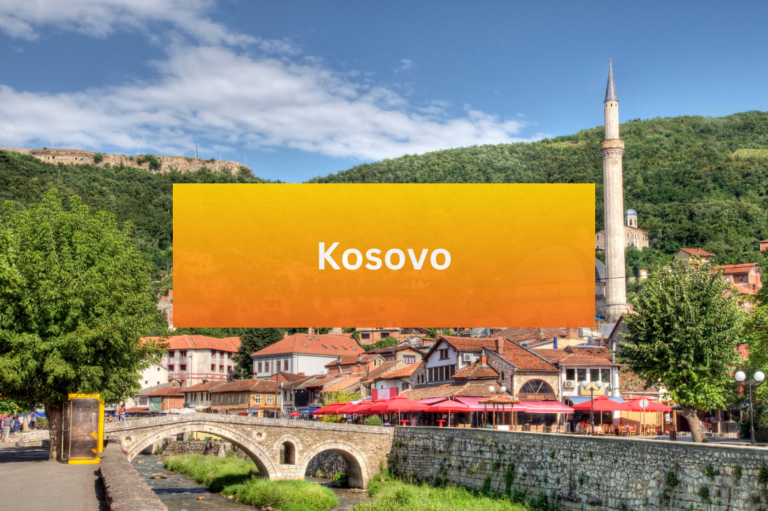
Address individuals with their titles and last names unless invited to use first names. Acknowledge senior figures appropriately.
Observe local customs and traditions during events. This includes greeting practices and dining etiquette.
Be aware of the local culture and traditions. Knowledge of Kosovo’s recent history and sensitivities can help avoid misunderstandings.
Be aware of and respect religious practices and holidays, as Kosovo has a diverse religious landscape.
Recognize and respect the local expertise and knowledge of your counterparts. Show that you value their insights and contributions.
Respect the hierarchical structure in organizations. Directly addressing junior staff without acknowledging senior figures can be seen as disrespectful.
Hard bargaining or aggressive negotiation tactics are generally frowned upon. Aim for a collaborative and respectful approach.
Build relationships gradually. Maintain professionalism until a closer relationship is established.
Steer clear of political issues, ethnic tensions, and Kosovo’s independence in business discussions.
Respect formalities and protocols. Don’t try to circumvent established processes
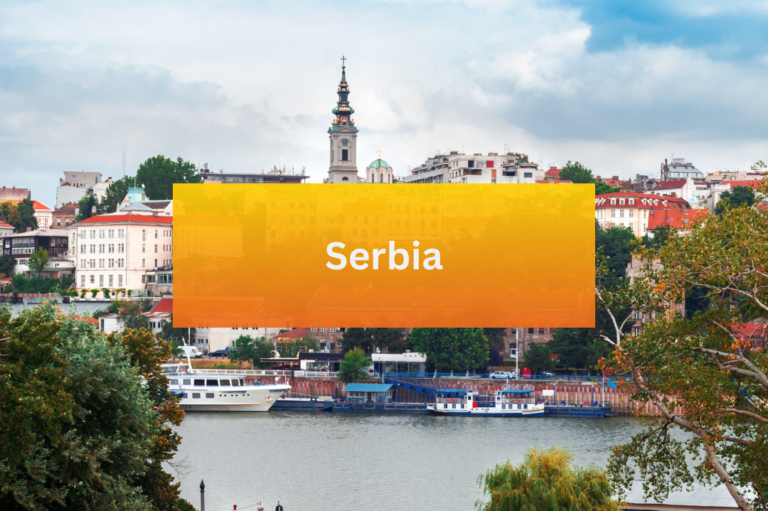
The dress code must be respected in public institutions in Serbia.
You cannot enter public institutions in Serbia wearing slippers, tank tops and shorts.
Follow the protocols determined by the organizer.
During a conversation, listen carefully and answer questions briefly and clearly, it is also appreciated if you demonstrate patience during the conversation.
Before a meeting, participants should be aware of the topics to be discussed. Every business conversation requires preparation.
Don’t leave the meeting before it’s over.
It is not appreciated if you use the phone during the meeting, it shows disinterest. If you know that you need the phone during the meeting, inform your partners.
Do not impose personal wishes and views on the organizers.
It is better to keep some subjects out of the conversation, for example political opinions, and discussions about salary is also not taken in a good way.
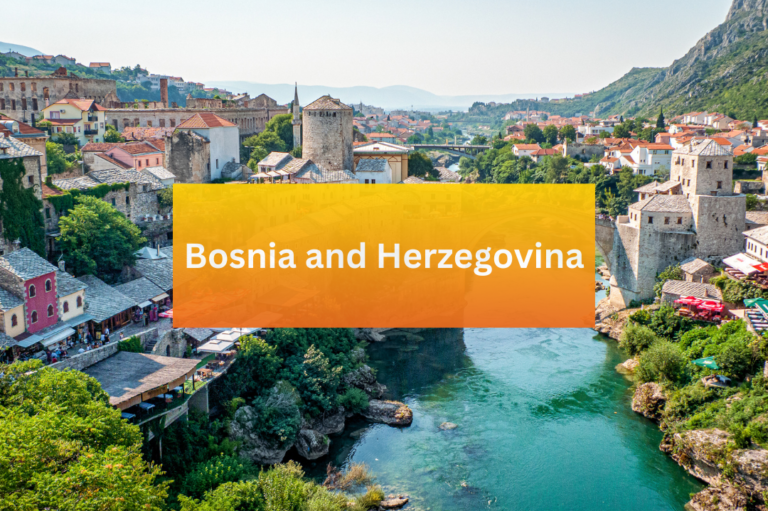
Get acquainted with the specifics of the communities you find yourself in (ethnic, religious, regional, class, political).
Learn basic phrases such as Dobar dan (Good afternoon), Hvala (Thank you), and Izvini (I am sorry).
Get acquainted with the local environment, culture, norms, and other social dynamics.
Do not engage in discussing local politics if you are not knowledgeable about it. There are some topics that shouldn’t be mentioned, such as the 1990s war.
Do not assume social homogeneity. Bosnia is a very diverse country that includes different nationalities, religions and very diverse background. A visitor should take this into consideration and be respectful of all backgrounds.
Do not be intolerant towards bureaucratic processes which are slow. Do not be overly critical of the local infrastructure, bureaucracy, or the system. Do not display impatience or act aggressively.
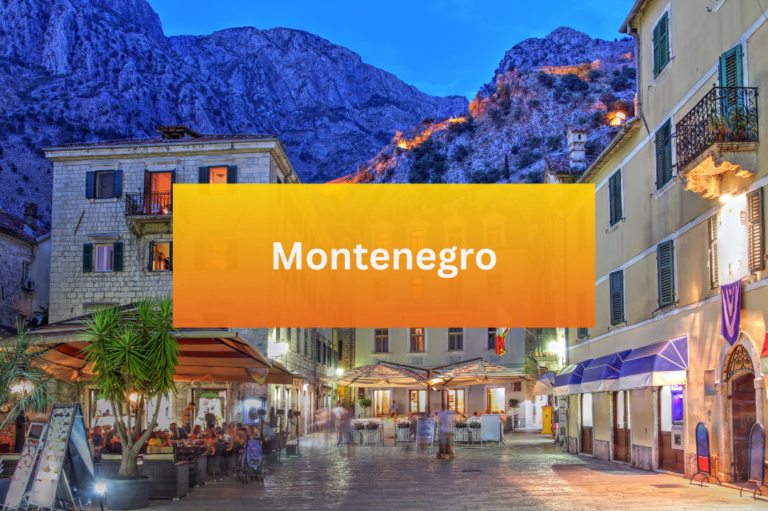
It’s ok to be asked about your origins (and to conclude for example that your grandparents are from Montenegro).
It’s ok to be relaxed about the time, we will not put any blame on anyone for being 5 or 10 minutes late, and we kindly expect the same in return, thank you.
Older generations have priority over younger generations and children, management over staff and so on.
Don’t show disrespect to your host in any way. Even if you visit your relatives and close friends, you are very welcome, but expected to respect the rules of the house and family.
If your host offers you a drink or snack, never say you won’t take anything. It is polite to have something, even if you are full. Otherwise, we would think you don’t like it.
During a visit, it is important respect the customs and traditions of that particular part of Montenegro and treat your hosts decently. It is important to avoid indecent behaviour concerning clothing and words, especially in churches and religious buildings. Overall, it is important to express respect for Montenegrin culture and history when communicating with your hosts.
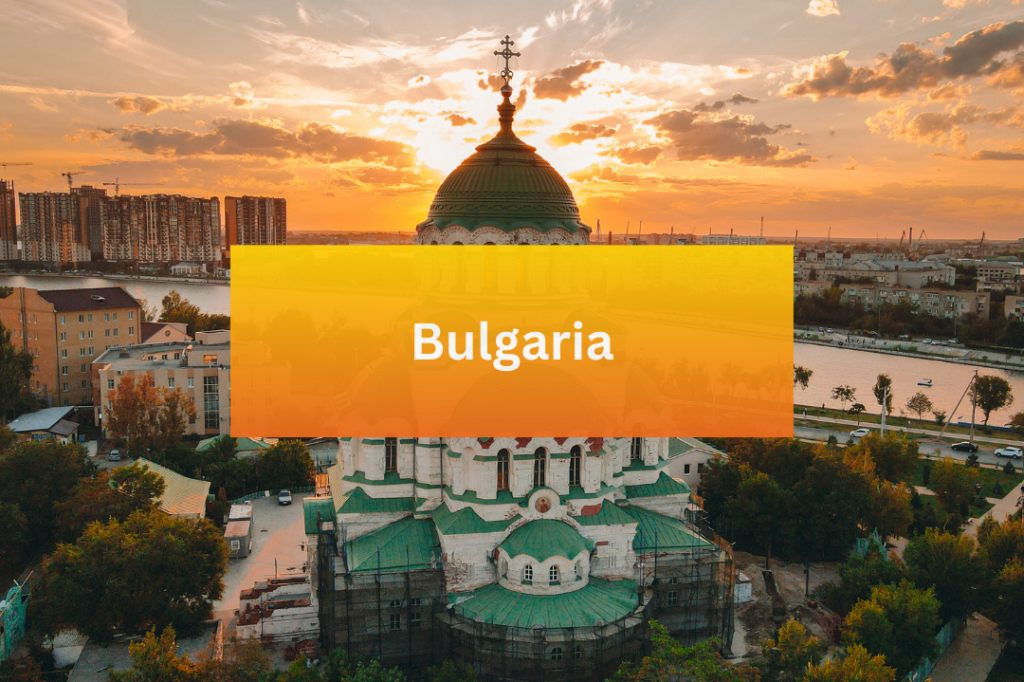
YES is when you shake your head horizontally. In most countries that would be a negative answer. The word for “yes” is “da”. NO is when you move your head vertically. The word for “no” is “ne.”
In Bulgaria it is appreciated to work showing motivation . That will lead to better outcomes.
The most common greeting is handshaking. Handshaking is the most adequate form of greeting for a business environment. It should take place both at the beginning and at the end of the meeting.
Don’t be surprised if Bulgarians raise their voices. Most of the time it is because they are passionate about what they are saying, rather than being angry.
Although the topic of social inequality is becoming increasingly important worldwide, it remains a taboo topic in Bulgaria. Discussion of wealth disparities, class bias, and issues of inequality is often avoided for fear of judgment, misunderstanding, or conflict.
Bulgaria’s historical past, especially the communist period (1944-1989) and the Ottoman rule (1396-1878), remain taboo subjects in the country. Many Bulgarians prefer to forget or downplay these periods because of the associated suffering, trauma and sense of loss of national identity.
Don’t use a lot of time for personal issues. Don’t discuss political and ethnical topics.
Downloads
To download the Dos and Donts in Montenegrin, click the button below
To download the Dos and Donts in Serbian, click the button below
To download the Dos and Donts in Albanian, click the button below
To download the DOs and Donts in Bosnian, click the button below
Are you interested in contributing to the BRIDGE content as a Practice Enterprise? Contact us and together let’s find opportunities for collaboration. We look forward to connecting with you. Support us by getting in touch today!